
Table of Contents
Easy Chicken Lo Mein: Better Than Takeout in Under 30 Minutes
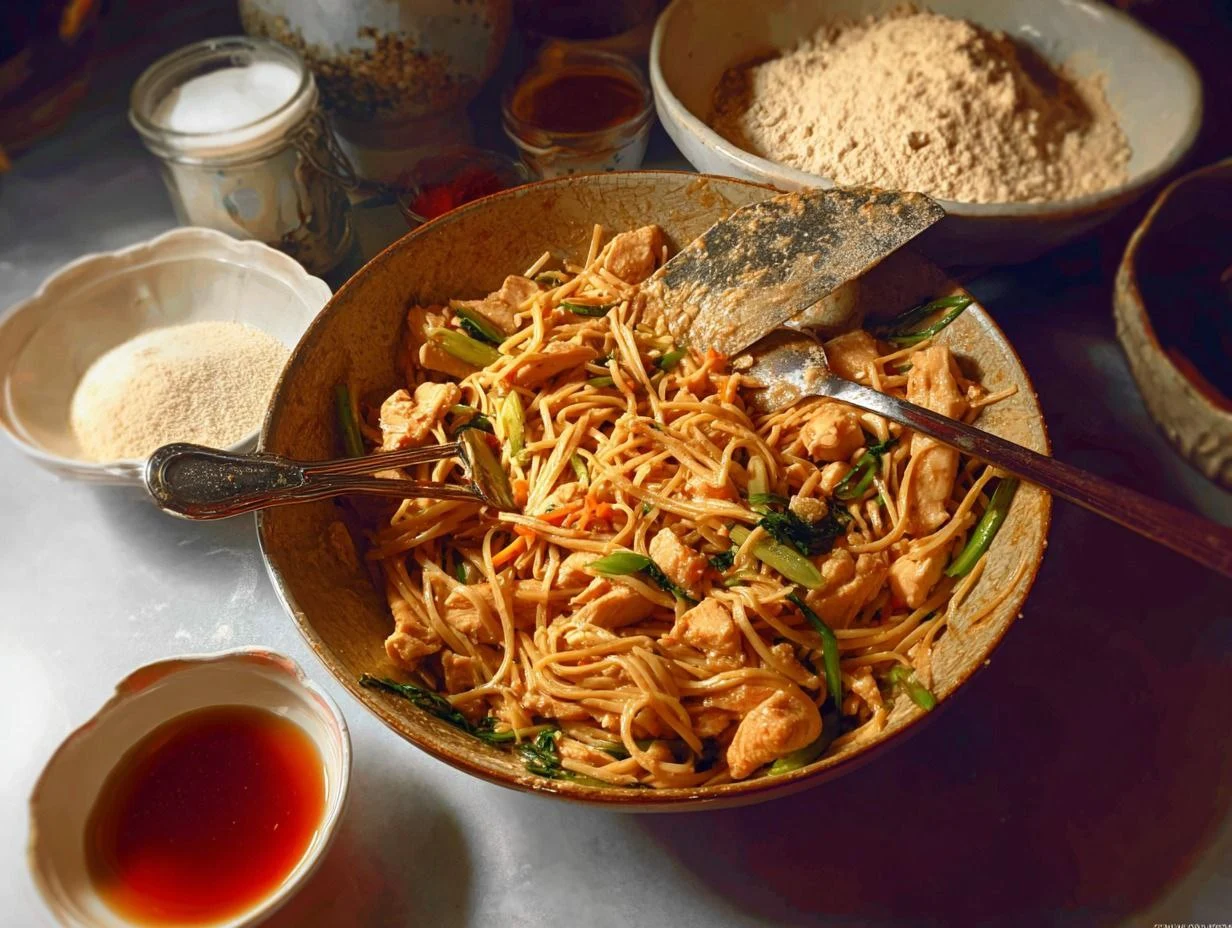
There is something incredibly satisfying about hearing the sizzle of a hot pan and knowing that a delicious dinner is only minutes away. If you have ever stared at a delivery menu, weighing the cost and the wait time, let me share a little secret: making Chicken Lo Mein at home is faster, cheaper, and honestly, a whole lot tastier. It is the ultimate “clean out the fridge” meal that feels like a special treat but works perfectly for a hectic Tuesday night.
Why You’ll Love This Homemade Chicken Lo Mein
We all have those evenings where the couch is calling, but the stomach is growling. That is exactly where this recipe shines. It is the culinary equivalent of a warm hug—salty, savory, and filled with comforting textures. Because you are the chef, you have total control over what goes in, meaning no more picking out the tiny pieces of celery you don’t like or wondering how much sodium is in that plastic container.
A Perfect Weeknight Rescue Meal
The magic of Chicken Lo Mein lies in its speed. Most of the work happens before the heat even touches the pan. Once you start cooking, the whole process takes less than ten minutes. It is a rescue meal because it saves you from the “what’s for dinner?” panic. Whether you are cooking for a hungry family or just prepping a few lunches for the week, it scales easily and always delivers on flavor.
Healthier and Cheaper Than Delivery
Let’s talk about the elephant in the room: the price of takeout has skyrocketed. By making your own noodles at home, you’re saving a significant amount of money. More importantly, you’re eating better. You can load up on fresh spinach, crisp carrots, and lean protein without the hidden sugars and heavy oils often found in restaurant versions. It is a win for your wallet and your well-being.
Gathering Your Ingredients for Success
To get that authentic restaurant vibe, you need the right building blocks. You don’t need a specialized pantry, but a few key items will make your Chicken Lo Mein stand out from a basic pasta dish.
The Best Noodles for That Authentic Texture
The heart of this dish is, of course, the noodle. Traditionally, Lo Mein uses thick, round egg noodles made from wheat and eggs. They have a wonderful chewiness that holds up against the heavy sauce.
- Fresh Egg Noodles: Usually found in the refrigerated section of Asian grocery stores. They only need a quick boil or rinse.
- Dried Lo Mein Noodles: Great to keep in the pantry for emergencies.
- The “Spaghetti” Swap: If you can’t find specific egg noodles, don’t sweat it! Regular spaghetti or fettuccine works surprisingly well. Just cook them a minute shy of al dente so they don’t get mushy when they hit the sauce.
Creating the Magical Savory Lo Mein Sauce
The sauce is the “secret sauce” (literally) that brings everything together. It should be a balance of salty, sweet, and nutty.
- Soy Sauce: Use a mix of “Light” (for salt) and “Dark” (for that deep mahogany color) if you can find it.
- Oyster Sauce: This is the umami powerhouse. It adds thickness and a savory depth that soy sauce alone can’t provide.
- Sesame Oil: A little goes a long way. It provides that classic toasted aroma.
- Sugar or Honey: Just a teaspoon to balance out the saltiness.
Fresh Veggies: The More, The Merrier
One of the best things about Chicken Lo Mein is its versatility with produce. I love using a mix of colors and textures. Think julienned carrots for crunch, bok choy for freshness, and sliced bell peppers for sweetness. Snow peas and mushrooms are also fantastic additions. The goal is to have a vibrant, colorful bowl that looks as good as it tastes.
How to Make Chicken Lo Mein: Step-by-Step
Now that your counter is prepped, it’s time for the fun part. Stir-frying is a fast-paced dance, so having your “mis-en-place” (everything in its place) is vital.
Prepping and “Velveting” Your Chicken
If you’ve ever wondered why restaurant chicken is so impossibly tender, it’s because of a technique called “velveting.” Before cooking, toss your thinly sliced chicken breast with a little cornstarch, a splash of soy sauce, and a pinch of baking soda. Let it sit for 15 minutes. This creates a protective barrier that keeps the juices inside, ensuring your Chicken Lo Mein features silk-soft meat rather than dry chunks.
Whisking the Sauce and Boiling the Noodles
While the chicken marinates, whisk your sauce ingredients in a small bowl and boil your noodles. Remember: undercook the noodles slightly! They will finish cooking in the pan as they soak up the sauce. Once drained, toss them with a tiny drop of oil so they don’t turn into a giant sticky ball while they wait.
The High-Heat Stir-Fry Dance
This is where the magic happens. You want your pan (or wok) to be hot—really hot. We are looking for that “breath of the wok” flavor.
Searing the Chicken to Perfection
Incorporate a tablespoon of oil with a high smoke point, such as canola or avocado oil, into the pan. Spread the chicken out in a single layer and let it sit for a minute to get a nice golden sear. Stir-fry until fully cooked, then take it out of the pan. Keeping it separate for now prevents it from overcooking while we handle the veggies.
Sautéing the Veggies While Keeping the Crunch
In the same pan, toss in your hard veggies first (like carrots and the stalks of the bok choy). After a minute, add the aromatics—garlic and ginger. Once the kitchen smells incredible, throw in the softer greens and the noodles.
Pro Tips for Restaurant-Quality Results
Even a simple dish has its nuances. If you want your Chicken Lo Mein to taste like it came from the best spot in town, keep these tips in mind.
Don’t Overcrowd Your Pan
If you put too much in the pan at once, the temperature will drop, and your food will steam instead of sear. If you’re making a double batch, cook in stages. It might take five extra minutes, but the texture will be a thousand times better.
Keeping Your Noodles Al Dente
Noodles are like sponges. If they are already fully cooked when they hit the sauce, they will become bloated and soft. By leaving them a little firm, they “drink” the sauce in the pan, becoming flavorful from the inside out.
Fun Variations and Substitutions
Feel like changing it up? This recipe is your canvas.
- Make it Spicy: Add a dollop of Sambal Oelek or Sriracha to the sauce.
- Vegetarian Option: Swap the chicken for firm tofu or just double up on the mushrooms for that meaty texture.
- Gluten-Free: Use tamari instead of soy sauce and rice noodles or gluten-free spaghetti.
Frequently Asked Questions (FAQ)
- How do I store leftovers? Keep them in an airtight container in the refrigerator for no more than 4 days.
- What is the best way to reheat? Use a splash of water or chicken broth in a pan over medium heat to loosen the noodles back up. The microwave works too, just cover it with a damp paper towel to keep the steam in.
- Can I use chicken thighs? Yes! Thighs are actually more forgiving and stay juicy even without velveting.
Bringing the Flavor of Asia to Your Family Table
At its heart, Chicken Lo Mein is about the joy of a home-cooked meal that doesn’t feel like a chore. It’s a dish that invites you to experiment, to taste as you go, and to enjoy the process of creating something vibrant and wholesome. So, skip the delivery app tonight. Grab a pair of chopsticks, gather your family, and enjoy a bowl of noodles that you made with your own two hands. You might just find that “home-style” is your new favorite flavor.